Header Logo

Request an Appointment Button

For many dogs and cats, a trip to the veterinary clinic is not exactly the highlight of the week. The unfamiliar smells, new sounds, car rides, and changes in routine can create anxiety long before an appointment even begins. Some pets become nervous as soon as they see the carrier come out, while others start showing signs of stress the moment they enter the parking lot. Fortunately, veterinary visits do not have to be overwhelming experiences. At Lakeview Veterinary, serving Bayfield County, WI, we make stress-free vet visits an important part of providing compassionate, personalized care for every patient.
When our four-legged pals feel at ease, everyone wins! A relaxed pet means a smoother visit for you, a happier experience for your furry sidekick, and a more thorough checkup for our team. By learning a few tricks for reducing anxiety, spotting the signs of a nervous pet, and using some tried-and-true calming strategies, you can help turn those vet visits from stressful to (almost) enjoyable.
Why Veterinary Visits Can Feel Stressful
Imagine seeing the world through your pet’s eyes. Suddenly, everything is new and a little bit weird all at once at the vet’s office.
Consider what a typical appointment may include:
- Traveling in a vehicle
- Visiting a new environment
- Encountering unfamiliar people
- Seeing other animals
- Experiencing unusual smells
- Being physically examined
We, humans, know the vet is here to help, but our pets just see a whole lot of strange activity and wonder what on earth is going on.
To them, it’s just a big change from the usual routine, and that can be a little unsettling.
That uncertainty can make even the most laid-back pets feel a bit on edge, especially if they’re already sensitive souls.
Understanding Signs of Anxiety in Pets
Just like people, every pet shows stress a little differently.
Some dogs get the zoomies when they’re nervous, while others turn into little wallflowers. Our feline friends usually have their own style. Many kitties go quiet as a mouse when they’re feeling anxious.
Common signs of nervous pets at the vet may include:
- Trembling
- Panting
- Pacing
- Hiding
- Excessive vocalization
- Refusing treats
- Wide eyes
- Dilated pupils
- Increased shedding
- Attempts to escape
Spotting these clues early helps both you and your vet team step in and make things a little easier for your pet.
Even small changes in your pet’s behavior can be big hints about how they’re feeling.
Why Stress-Free Vet Visits Matter
Helping pets feel safe at the vet isn’t just about comfort. It can make a real difference in their health and happiness, too.
Stress can change how pets act, how they handle being examined, and even what we find during a checkup.
When pets are calmer:
- Physical examinations are often easier.
- Vital signs may be more accurate.
- Handling becomes less stressful.
- Future visits may become easier.
- Owners often feel more relaxed.
Good experiences at the vet can help your pet feel braver about future visits, too.
A little effort now can make every future vet trip a whole lot smoother.
Start Preparing Before Appointment Day
Helping your pet stay calm starts long before you even grab the car keys.
A little prep work can make the whole adventure feel a lot less mysterious for your furry friend.
Simple steps may include:
- Practicing short car rides
- Introducing carriers regularly
- Visiting new environments
- Rewarding calm behavior
- Maintaining normal routines
Gradual exposure often helps pets become more comfortable with situations they may otherwise find intimidating.
A bit of practice really can go a long way.
Helping Dogs Feel More Comfortable
Lots of pups get worked up at the vet because they remember all those strange things from last time.
One of the best tricks? Make the vet a place for good things, not just pokes and prods.
You can help your canine companion by:
- Practicing calm leash walks
- Rewarding relaxed behavior
- Visiting new places regularly
- Encouraging confidence-building activities
Dogs who get to go on lots of fun adventures usually handle new places like champs.
If you stay cool as a cucumber, your dog is more likely to follow your lead.
Our pets are experts at reading our moods, even when we think we’re hiding it!
Helping Cats Feel Safer
Our feline friends have their own set of challenges when it comes to vet visits.
Most kitties are homebodies, so leaving their cozy territory can be extra stressful.
To help your feline companion feel more comfortable:
- Leave the carrier out year-round.
- Allow the cat to explore it voluntarily.
- Place familiar bedding inside.
- Offer treats near the carrier.
- Avoid only bringing out the carrier before appointments.
If the carrier is just another piece of furniture, it’s a lot less scary when it’s time for a trip.
This little change can make a big difference for your cat’s nerves.
The Importance of Proper Carrier Training
Think of the carrier as your pet’s cozy den, not a signal that something scary is about to happen.
Cats and small dogs often benefit from gradual carrier training.
Helpful strategies include:
- Keeping the carrier accessible
- Adding comfortable bedding
- Offering occasional treats inside
- Allowing voluntary exploration
- Creating positive experiences
The goal is to help your pet associate the carrier with comfort and security rather than stress.
With a little patience, getting your pet from point A to point B gets a whole lot easier.
Car Ride Practice Helps Build Confidence
For some pets, the car ride is the scariest part of the whole adventure.
All that motion, weird noises, and new sights can really rattle their nerves.
Try taking your pet on short, fun car rides to help them get used to the idea.
Consider taking your pet on brief drives that end with positive experiences such as:
- Walks
- Play sessions
- Quiet outdoor time
- Returning home without a veterinary visit
This helps your pet learn that car rides don’t always mean a trip to the vet.
A little practice goes a long way toward building your pet’s confidence.
Fear-Free Veterinary Care Techniques
Fear-free care is all about making vet visits as stress-free as possible for your furry family member.
It means paying attention to how your pet feels and making the clinic a calm, welcoming place.
Fear-free veterinary care may involve:
- Gentle handling techniques
- Quiet interactions
- Positive reinforcement
- Comfortable examination approaches
- Allowing pets time to adjust
The goal isn’t just to get through the appointment. It’s to make the experience good for your pet.
Most pets do much better when they’re given a chance to relax and feel safe.
What Owners Can Do During Appointments
Just being there with your pet can make a world of difference.
During appointments, you can help by:
- Remaining calm
- Speaking in a reassuring voice
- Bringing familiar items
- Following staff guidance
- Rewarding relaxed behavior
If you’re nervous, your pet will probably notice, and it might make them more anxious, too.
Showing your pet that you’re calm and confident helps them feel safe, too.
That special bond you share with your pet is a huge comfort when things feel strange or new.
Managing Waiting Room Stress
The waiting room can feel like a circus for pets who are already on edge.
All those new smells, strange sounds, and other animals can crank up the nerves.
Helpful strategies may include:
- Maintaining distance from other pets
- Keeping cats covered when appropriate
- Using treats for positive reinforcement
- Minimizing waiting times when possible
Little tweaks can make a big difference in helping your pet feel at ease.
Keeping things quiet and calm before the exam can really help your pet stay relaxed.
Understanding Reactive and Fearful Pets
Some pets are just more sensitive than others when it comes to new experiences.
A reactive pet may bark, growl, hiss, lunge, or attempt to escape when feeling overwhelmed.
Most of the time, these reactions come from fear, not bad behavior.
It’s important to remember the difference.
Reactive pets benefit from:
- Patience
- Predictable handling
- Gentle introductions
- Positive reinforcement
- Individualized care plans
With patience and kindness, even the most nervous pets can learn to feel more confident.
Calming Pets During Appointments
Helping pets stay calm during their visit means reducing anything that might stress them out.
Your vet team has lots of tricks up their sleeves to help your pet feel at ease.
These may include:
- Quiet examination rooms
- Slow introductions
- Gentle handling
- Treat-based reinforcement
- Strategic scheduling
Every pet is unique, so what works for one may not work for another.
What helps one dog may not help another, which is why individualized approaches are often most effective.
Why Routine Visits Help Reduce Anxiety
Regular checkups help make the vet’s office feel like just another part of life.
If your pet only comes to see us when they’re sick, or something scary happens, they might start to think the vet is always bad news.
Routine visits provide opportunities for:
- Positive interactions
- Familiarity with staff
- Confidence building
- Early health monitoring
The more familiar your pet is with the clinic, the less scary it becomes.
This can contribute significantly to stress-free vet visits.
Building a Lifelong Positive Relationship With Veterinary Care
Good experiences stack up, making each visit a little easier than the last.
When your pet gets gentle care and lots of support, future visits usually get easier and easier.
Building this kind of trust takes time, patience, and a little practice.
It’s worth the effort. Your pet’s emotional and physical health will thank you for it.
Your furry best friend deserves care that keeps them comfy and healthy, every step of the way.
The American Veterinary Medical Association offered tips to help vet appointments go smoothly. WebMD also covered vet appointments.
Frequently Asked Questions About Stress-Free Vet Visits
Why are some pets nervous at the vet?
Pets may become anxious because of unfamiliar environments, transportation, new people, unusual smells, and changes in routine.
How can I reduce pet anxiety before an appointment?
Practice short car rides, create positive experiences with carriers, maintain routines, and reward calm behavior whenever possible.
What is fear-free veterinary care?
Fear-free veterinary care focuses on reducing fear, stress, and anxiety through gentle handling, positive reinforcement, and patient-centered approaches.
How can I help calm my cat before a veterinary visit?
Carrier training, familiar bedding, gradual preparation, and keeping the carrier available year-round can help many cats feel more comfortable.
Can regular veterinary visits make future appointments easier?
Yes. Routine visits often help pets become more familiar with the veterinary environment, reducing uncertainty and improving comfort over time.
Schedule an Appointment at Our Bayfield County, WI Veterinary Clinic
Stress-free vet visits are possible when preparation, patience, and compassionate care come together. Whether your goal is to reduce pet anxiety, support nervous pets at the vet, apply fear-free veterinary care principles, or find effective methods for calming pets during appointments, proactive planning can make a meaningful difference.
Are you searching for a trusted vet near me in Bayfield County, WI? Contact Lakeview Veterinary today to schedule an appointment. Our veterinary clinic is committed to helping dogs and cats feel comfortable, supported, and cared for at every stage of life, with personalized veterinary care tailored to each pet’s unique needs.
This blog is intended for informational purposes only. Always consult your veterinarian for advice regarding your pet’s behavior, anxiety concerns, healthcare needs, and treatment recommendations, and follow their professional guidance for your companion’s individual situation.
Would you like to learn more about our Ashland, WI, animal hospital? Start by dropping by our Services page, where you’ll find more information on our top-notch pet clinic. We offer a wide range of veterinary care services, such as Wellness and Vaccinations, Nutrition and Weight Management, Diagnostics, Dentistry, Laser Therapy, Critical Care, and more.
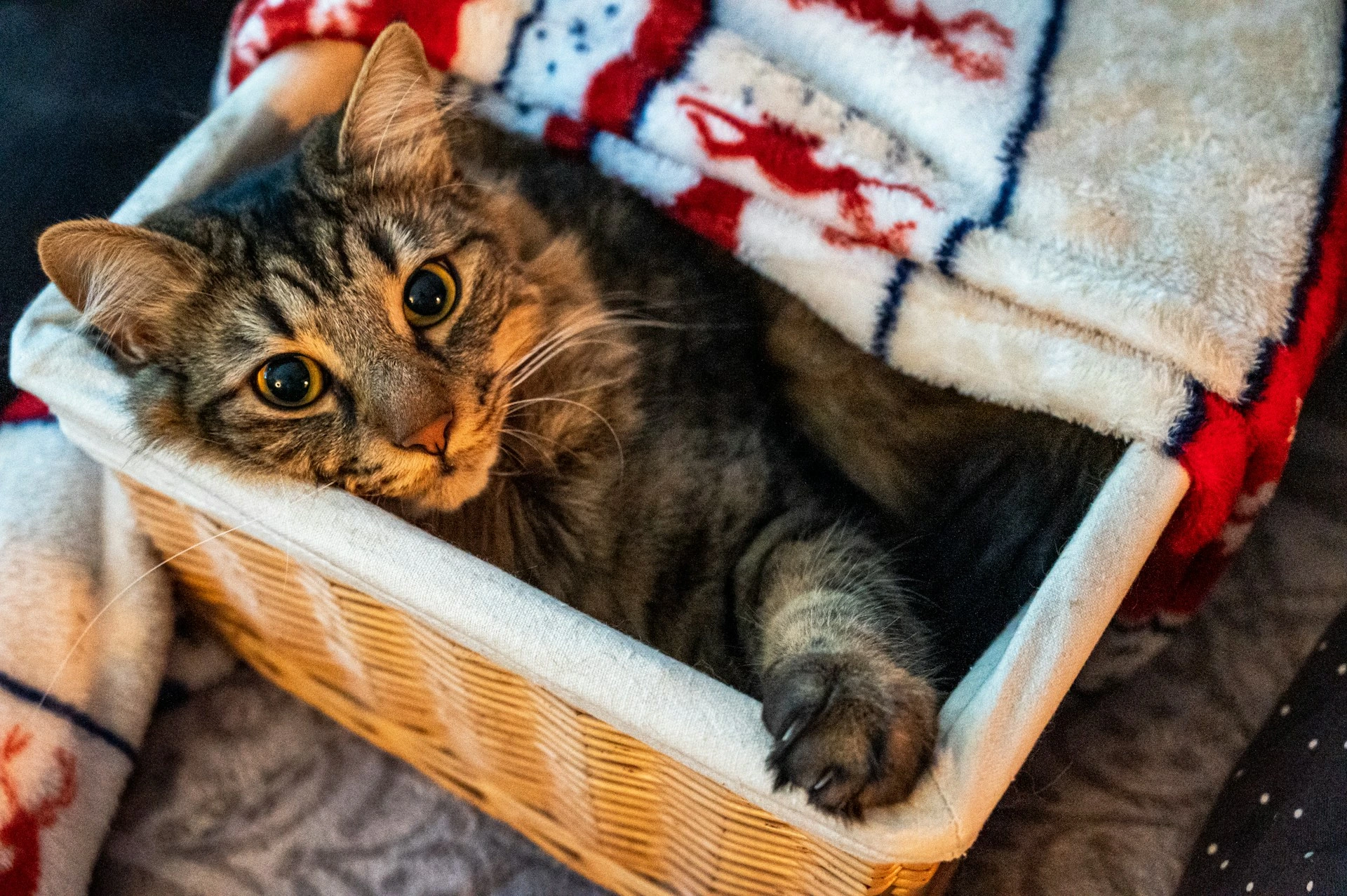
Helping Shelter Pets Thrive in Their New Homes
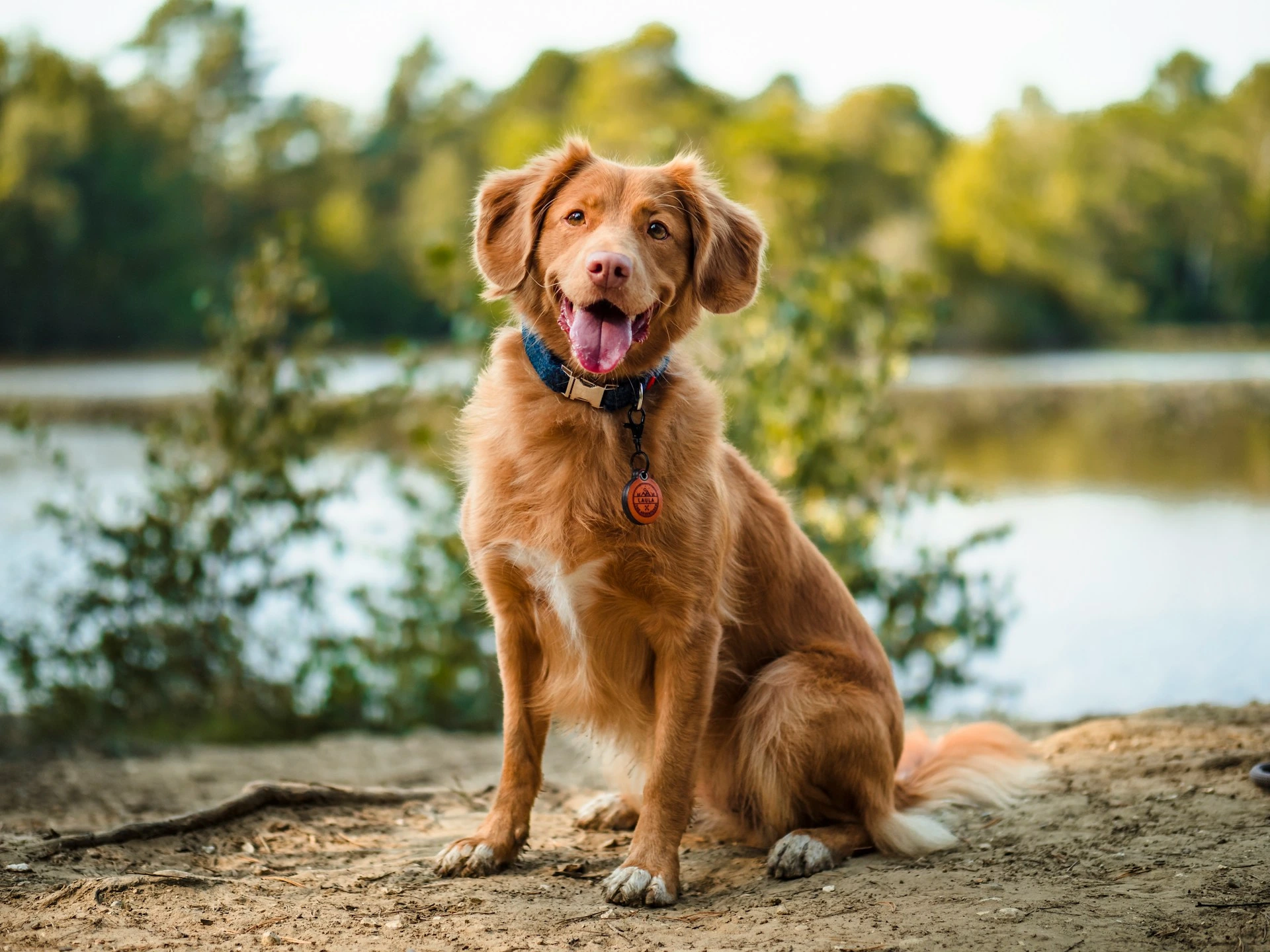
Hunting Season Hazards for Dogs in Northern Wisconsin