Header Logo

Request an Appointment Button

Bringing home a newly adopted dog or cat is truly one of life’s greatest joys for any pet lover. Whether your new furry friend comes from a shelter, rescue, or foster home, you’re giving them a fresh start, and trust me, they appreciate it more than you know! Some adopted pets settle in as if they’ve always belonged, while others need a little extra time, patience, and TLC to get comfortable in their new digs. Here at Lakeview Veterinary, serving Bayfield County, WI, we’re passionate about helping adopted pets make a smooth transition. Supporting shelter pets and cheering on their happy new beginnings is one of the best parts of what we do.
Every adopted pet comes with their own story. Some have bounced around a bit, while others have spent time in shelters or foster homes. The good news? With a little know-how, some practical tips, and a whole lot of love, you can help your new furry family member feel safe, secure, and right at home as they start this exciting new chapter with you.
The First Few Days Matter Most
Those first few days after adoption are a whirlwind—exciting for you, and sometimes a bit overwhelming for your new four-legged pal.
Imagine being whisked away from everything you know and plopped into a brand new place. Even the best changes can be a little stressful. Just ask your pet!
Many newly adopted pets need time to:
- Learn household routines
- Become familiar with family members
- Adjust to new sounds
- Explore their surroundings
- Build trust
Some pets strut in like they own the place, while others might be a bit shy, reserved, or even act like they’re auditioning for a role as a professional wallflower.
All of these reactions are perfectly normal. No need to worry if your new buddy needs a little time to warm up.
A little patience and consistency go a long way during this adjustment period. You’re laying the groundwork for a happy, healthy relationship.
What to Expect When Bringing Home a Rescue Pet
Bringing home a rescue pet is a bit like opening a mystery box. You never know exactly what you’ll get, but there’s sure to be a mix of emotions and behaviors as everyone settles in.
Some pets jump right into family life and start exploring straight away. Others prefer to hang back and watch quietly for a few days before they feel comfortable.
Common behaviors during the adjustment period may include:
- Hiding
- Increased sleeping
- Reduced appetite
- Vocalization
- Clinginess
- Hesitation around new people
These responses are usually nothing to worry about. They’re just part of your pet’s way of figuring things out.
Most adopted pets just need a bit of time to feel safe and secure in their new home.
Letting your new friend settle in at their own pace is often the secret ingredient to a smooth transition.
Creating a Safe Space
One of the best things you can do for your newly adopted pet is to set up a cozy safe space just for them.
This gives your pet a spot to retreat to whenever things feel a little too exciting or overwhelming.
This area may include:
- Comfortable bedding
- Food and water
- Toys
- A crate for dogs if appropriate
- Hiding spots for cats
Your furry friend should be able to access this space without interruption.
Having a predictable retreat helps your pet relax and start building confidence in their new home.
Most adopted pets will start to venture out from their safe spot as they get more comfortable.
Establishing a Routine
Pets really do thrive on routine and consistency.
Setting up predictable routines helps ease anxiety and lets your new pet know what to expect each day.
Establish routines for:
- Feeding
- Walks
- Playtime
- Bathroom breaks
- Bedtime
Consistency gives your pet structure and helps them feel safe and secure.
Dogs and cats usually settle in faster when their daily schedule stays nice and predictable.
Simple routines are like comfort food for pets. They help everyone feel a little more at ease during big changes.
Shelter Dog Adjustment Tips
Dogs entering new homes often experience an adjustment period that varies in length.
A good tip for helping your new dog settle in: let them explore their new home gradually, rather than throwing them into the deep end with too many new experiences at once.
Focus on:
- Consistent routines
- Positive reinforcement
- Gentle introductions
- Structured exercise
- Patience
Try not to expect perfect manners right out of the gate.
Even the best-behaved pups need a little time to learn the ropes in a new household.
Trust grows with positive experiences and a steady routine.
Shelter Cat Adjustment Tips
Cats, as usual, like to do things their own way and often need a slightly different approach.
Most cats feel safest when they can explore their new digs at their own pace.
Effective shelter cat adjustment tips include:
- Starting with a smaller room
- Allowing gradual exploration
- Providing hiding places
- Maintaining quiet surroundings
- Avoiding forced interactions
Some cats settle in within a few days, while others take their sweet time. Sometimes several weeks.
Patience is extra important with shy or cautious kitties.
Letting your feline friend make the first move often helps them build confidence.
Understanding the Rule of Adjustment
Many pet professionals discuss adjustment periods using a general guideline often referred to as the “3-3-3 Rule.”
While every pet is different, many pets experience:
- Approximately three days of decompression
- Approximately three weeks of adjustment
- Approximately three months of settling in fully
This isn’t an exact science, but it’s a good reminder that settling in is usually a gradual process.
Progress often happens in little stages, not all at once.
Keeping this in mind can help you set realistic expectations for your new furry family member.
Building Trust Through Positive Experiences
Trust is the foundation of every successful human-animal relationship.
For adopted pets, trust is built slowly, one positive experience at a time.
Ways to build trust include:
- Respecting boundaries
- Using positive reinforcement
- Speaking calmly
- Offering predictable routines
- Allowing choices
Over time, your dog or cat will learn that their new home is a safe, loving place.
You can’t rush trust, but a little consistency each day goes a long way.
Introducing Other Pets Carefully
Introducing your new pet to the resident crew takes a bit of patience and planning.
Even the friendliest pets sometimes need a little time to get used to a new face in the house.
Successful introductions often involve:
- Gradual exposure
- Controlled interactions
- Separate resources
- Supervised meetings
- Positive reinforcement
Letting relationships develop naturally usually leads to happier pets in the long run.
Trying to rush things can stress out both pets and people, so slow and steady wins the race here.
Adopted Pet Health Care Starts Early
One of the first things on your to-do list after adoption should be scheduling a checkup with your veterinarian.
Even if your pet has already had some medical care at the shelter or rescue, it’s still important to get to know your own vet.
Adopted pet health care often includes:
- Wellness examinations
- Vaccination review
- Parasite screening
- Nutritional discussions
- Behavioral guidance
- Preventive care planning
A veterinary checkup helps catch any concerns early and gives you a good starting point for your pet’s future care.
Preventive care helps your new pet make a healthy, happy start in their new family.
Nutrition During the Transition Period
It’s pretty common for pets to have changes in appetite after adoption. Some pets tuck right into their food from day one, while others might nibble less as they settle in. riod.
Keeping your pet’s food consistent at first can help avoid any tummy troubles.
When making dietary changes:
- Transition gradually
- Monitor appetite
- Provide fresh water
- Watch for digestive changes
Good nutrition is key for your pet’s overall health and well-being.
A balanced diet helps keep your pet’s energy up, supports their immune system, and makes the adjustment smoother.
Behavioral Challenges May Be Temporary
Newly adopted pets sometimes display behaviors that concern owners.
Examples may include:
- House-training accidents
- Excessive vocalization
- Hiding
- Jumping
- Chewing
- Scratching
Most of these behaviors improve as your pet gets more comfortable.
The adjustment period is all about learning new routines and what’s expected in their new home.
A little patience, consistency, and lots of positive reinforcement usually work wonders.
The Importance of Exercise and Enrichment
Both mental and physical stimulation are important to help your adopted pet thrive.
Appropriate exercise and enrichment may include:
- Walks
- Interactive toys
- Training sessions
- Puzzle feeders
- Playtime
These activities help keep your pet healthy in body and mind.
They’re also a great way for you and your pet to bond.
Enrichment builds your pet’s confidence and encourages healthy behaviors.
Celebrating Small Victories
Progress usually happens in small steps.
A shy dog greeting you at the door, a cautious cat choosing to sit nearby, or a nervous pet finally taking a treat. These are all big milestones worth celebrating.
Recognizing these moments helps owners appreciate the adjustment process.
Every positive moment helps build a stronger bond between you and your pet.
The journey may take time, but the rewards are often extraordinary.
Why Adoption Changes Lives
Adoption benefits both pets and people.
Shelter pets often become the most devoted companions, enriching our lives in more ways than we can count.
By providing a safe and loving home, you are allowing an animal to experience stability. In return, adopted pets bring joy, companionship, and plenty of unforgettable memories to their new families. Those who welcome them.
It’s a partnership that can change lives—on both ends of the leash.
Spruce Pets has an article on adopting shelter cats. The ASPCA has a good piece on adopting shelter dogs.
Frequently Asked Questions About Adopted Pet Care
How long does it take an adopted pet to adjust to a new home?
Every pet is different. Some adjust within days, while others may need weeks or months to feel completely comfortable.
What should I do when bringing home a rescue pet?
Provide a quiet environment, establish routines, create a safe space, and allow your pet time to adjust at their own pace.
What are helpful shelter dog adjustment tips?
Consistency, positive reinforcement, structured routines, and patience help many dogs adjust successfully to their new homes.
What are effective shelter cat adjustment tips?
Start with a smaller space, provide hiding opportunities, allow gradual exploration, and avoid forcing interactions.
Why is the health care of adopted pets important?
Veterinary care helps identify medical concerns, establish preventive care plans, review vaccination status, and support long-term health.
Schedule a Wellness Visit at Our Bayfield County, WI Veterinary Clinic
Adopted pet care begins with patience, compassion, and proactive healthcare. Whether you are bringing home a rescue pet, looking for shelter dog adjustment tips, following shelter cat adjustment tips, or prioritizing adopted pet health care, thoughtful support can help your new companion thrive.
Are you searching for a trusted vet near me in Bayfield County, WI? Contact Lakeview Veterinary today to schedule a wellness appointment for your newly adopted pet. Our veterinary clinic is proud to support adopted dogs and cats through personalized care, preventive medicine, and compassionate guidance that helps every pet enjoy a healthy start in their new home.
This blog is intended for informational purposes only. Always consult your veterinarian for advice, diagnosis, behavioral guidance, and healthcare recommendations appropriate to your pet’s individual needs and circumstances.
Would you like to learn more about our Ashland, WI, animal hospital? Start by dropping by our Services page, where you’ll find more information on our top-notch pet clinic. We offer a wide range of veterinary care services, such as Wellness and Vaccinations, Nutrition and Weight Management, Diagnostics, Dentistry, Laser Therapy, Critical Care, and more.
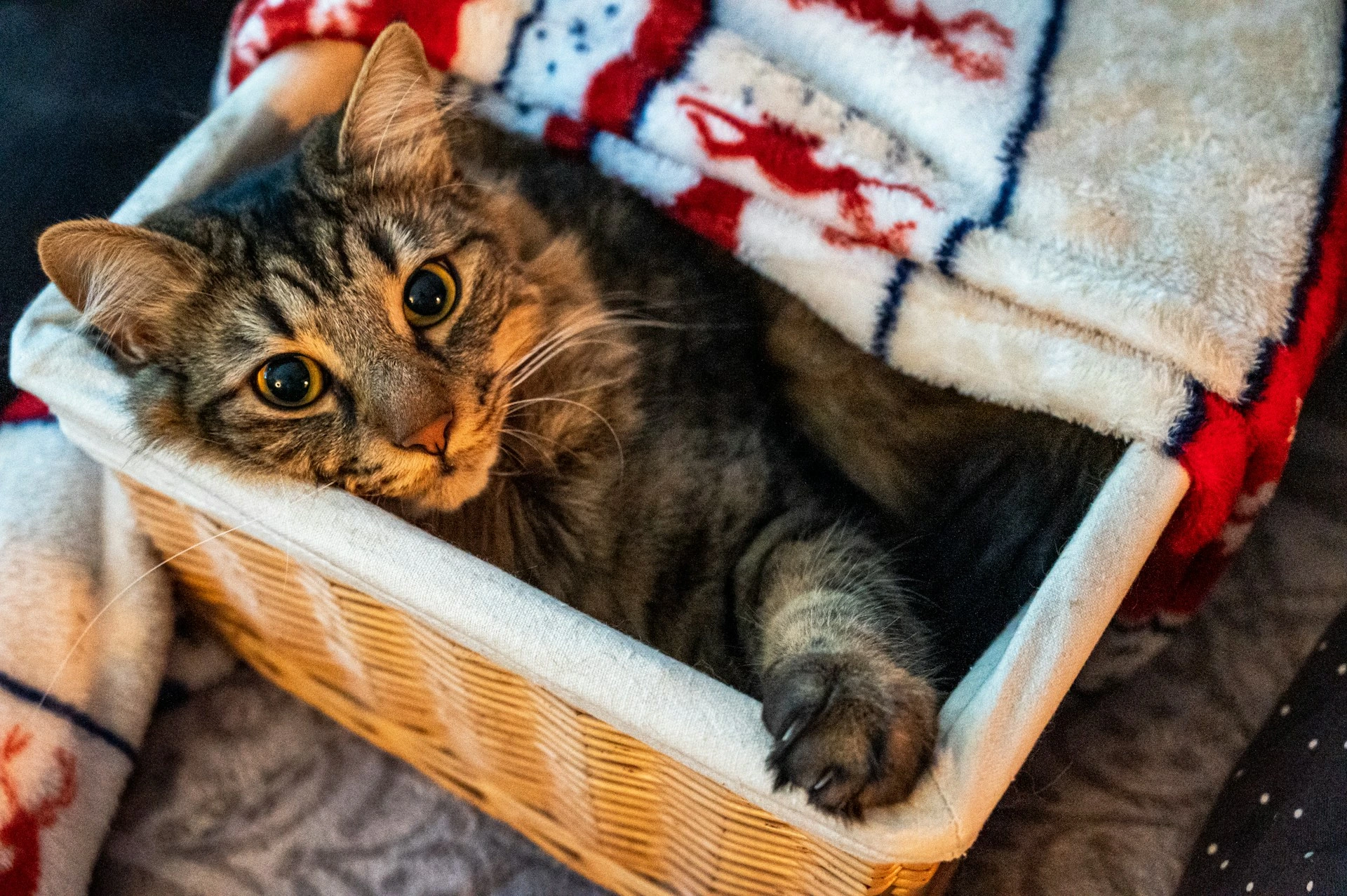
Helping Shelter Pets Thrive in Their New Homes

Hunting Season Hazards for Dogs in Northern Wisconsin