Header Logo

Request an Appointment Button

A trip to the veterinary clinic can feel overwhelming for some dogs. While many pups happily greet new people and explore unfamiliar places, others become nervous, fearful, or reactive when faced with new sights, sounds, smells, and handling. If your canine companion struggles during appointments, you are not alone. At Lakeview Veterinary, your Ashland, WI veterinary clinic, reactive dog care is an important part of helping pets receive the medical attention they need while making visits as comfortable as possible.
Dogs can become reactive for many different reasons. Past experiences, limited socialization, fear, pain, personality traits, and unfamiliar environments can all contribute to fearful behavior in dogs. Understanding reactive dog care, recognizing anxious behavior at vet appointments, and learning effective approaches to handling reactive dogs can help create more stress-free veterinary visits for both pets and their families.
What Does It Mean When a Dog Is Reactive?
A reactive dog reacts strongly to certain situations, people, animals, or places. Most of the time, this isn’t about aggression. It’s usually fear, anxiety, or just feeling overwhelmed by all the excitement.
Most reactive dogs aren’t trying to be difficult or stubborn. They’re just trying to put some space between themselves and whatever is making them uncomfortable.
Signs of reactivity may include:
- Barking
- Growling
- Lunging
- Trembling
- Hiding
- Excessive panting
- Pacing
- Avoiding interaction
- Freezing in place
Some pups only get reactive at the vet’s office, while others might show these behaviors in lots of different situations.
It’s important to know the difference between fear and true aggression. Most of the time, a fearful dog is just anxious or unsure. When we recognize these feelings, we can respond with more compassion and help your pup feel safer during their visit.
Why Veterinary Clinics Can Feel Overwhelming
Even the bravest dogs can find the vet’s office a little overwhelming. There are so many new smells, odd sounds, unfamiliar faces, and strange equipment, not to mention other animals. For a dog who’s already a bit anxious, it can all add up pretty fast.
Your canine pal may encounter:
- Slippery floors
- Barking dogs
- New handling experiences
- Medical procedures
- Unfamiliar examination tables
- Unexpected noises
Dogs experience the world in a totally different way than we do. Their noses are like super-powered scent detectors, so they can pick up on all sorts of smells from other pets who’ve visited, even if it was hours ago.
So even if everything looks normal to us, the vet’s office can feel like a sensory overload for your pup.
Common Causes of Fearful Dog Behavior
Reactive behavior does not develop from a single cause in every dog.
Several factors can contribute to fearful dog behavior:
Limited Early Socialization
Pups who get to meet lots of people, visit new places, and hear all sorts of sounds when they’re young usually grow up to be more confident adults.
If a dog misses out on those early adventures, they might be more sensitive to new things later on.
Previous Negative Experiences
A scary experience, such as a tough medical treatment or an injury, can stick with a dog and affect how they feel about future visits.
Dogs are quick to make connections. If your pup had to visit the vet when they were sick or in pain, they might remember it and get nervous the next time they go to the vet.
Pain or Discomfort
Sometimes, a dog who seems anxious at the vet is actually dealing with pain you can’t see.
If your dog is uncomfortable, being handled can feel extra stressful. Things like sore joints, achy muscles, or sensitive ears and teeth can make exams a bit tougher for them.
Genetics and Personality
Some pups are just born a little more cautious than others.
Just like people, dogs have their own personalities. Some are bold and adventurous, while others prefer to take things slow.
Recognizing Signs of Anxiety Before Reactivity Escalates
One of the best things you can do for a reactive dog is to spot the early signs of stress before things escalate.
Dogs usually let us know they’re uncomfortable long before the barking or growling starts.
Subtle signs may include:
- Lip licking
- Yawning
- Turning away
- Whale eye, where the whites of the eyes become visible
- Panting when not hot
- Lowered body posture
- Tucked tail
- Trembling
If you can spot these early signals, you can step in before your dog’s stress really ramps up.
The sooner you address your dog’s anxiety, the easier it is to help them feel more at ease.
Preparing for a Veterinary Visit
A little preparation can go a long way for our more reactive canine friends.
There are a few simple things you can do to help lower your dog’s stress before you even walk in the door.
Practice Calm Car Rides
Some pups think car rides only mean one thing: a trip to the vet.
Try taking your dog on short, fun car rides that don’t end at the clinic. This helps them learn that car trips can lead to good things, too.
Bring Familiar Items
Bringing along your dog’s favorite blanket, toy, or some tasty treats can help them feel more at home during their appointment.
Familiar smells can be a big comfort for dogs in new places.
Avoid Rushing
If you’re running late, both you and your pup might feel more stressed.
Try to arrive a few minutes early, so you both have time to settle in before heading inside.
How Veterinary Teams Support Reactive Dog Care
These days, more and more veterinary teams are focused on making visits less scary and stressful for our furry patients.
Gentle, compassionate handling can make a world of difference for dogs who find vet visits tough.
Veterinary teams may adjust appointments by:
- Moving at the dog’s pace
- Allowing breaks during examinations
- Using low-stress handling techniques
- Minimizing unnecessary restraint
- Providing quiet spaces when available
- Incorporating positive reinforcement
Every dog is unique, so a one-size-fits-all approach just doesn’t cut it. Tailoring our care to each pup usually gets the best results.
Here at Lakeview Veterinary, we work hard to make our clinic a welcoming place for every dog, especially those who find vet visits a little scary.
The Importance of Positive Reinforcement
Positive reinforcement is one of our favorite tools for helping reactive dogs.
When we reward calm behavior, we help your dog build good feelings about vet visits and being handled.
Rewards may include:
- Verbal praise
- Gentle affection
- Favorite treats
- Play opportunities
Our goal isn’t to force your dog into anything scary. Instead, we want to help them build confidence, one positive experience at a time.
With time and lots of positive experiences, your dog’s feelings about the vet can really change for the better.
Helping an Anxious Dog at Vet Appointments
If your dog is already feeling nervous, even small changes can make a big difference.
Let your pup explore at their own pace when you can. Giving them a little time to check things out can help take the pressure off.
Staying calm yourself is important, too. Dogs are experts at reading our body language and emotions, so speaking softly and moving slowly can help your pup feel more secure.
Your dog doesn’t have to be the life of the waiting room party. Success just means helping them feel safe enough to get the care they need, with as little stress as possible.
Building Better Experiences Over Time
Stress-free vet visits don’t usually happen overnight, especially for our more reactive pups.
Progress is usually slow and steady, with lots of positive experiences along the way.
Helpful strategies include:
- Scheduling routine wellness visits
- Visiting the clinic for positive interactions
- Practicing gentle handling at home
- Rewarding calm behavior
- Working closely with your veterinarian
Every good experience helps your dog feel a little braver next time.
Even small steps forward can make future visits easier for both you and your furry pal.
The Role of Wellness Care in Reducing Stress
Regular vet visits can actually help lower your dog’s anxiety over time.
Dogs who come to the clinic regularly get used to the sights, smells, and friendly faces.
If you only bring your dog in when they’re sick or hurt, they might start to think the vet’s office is always scary.
Routine wellness visits let your dog experience the clinic when they’re feeling well, helping build positive memories.
These good experiences help build trust and make the clinic feel more familiar.
When Additional Support May Be Helpful
Some dogs need a little extra planning and support to help with their anxiety.
In some cases, your vet might suggest special behavior strategies or other tools tailored just for your pup.
Every dog deserves great veterinary care, no matter how anxious or reactive they might be.
Our goal is always to keep your dog safe and comfortable while ensuring they get the care they need.
The American Veterinary Medical Association offered tips to help vet appointments go smoothly. WebMD also covered vet appointments.
Frequently Asked Questions About Reactive Dogs and Veterinary Visits
What causes a dog to become reactive at the veterinary clinic?
Fear, anxiety, previous experiences, pain, lack of socialization, unfamiliar environments, or a combination of factors may cause reactivity. Every dog has unique triggers and experiences.
Can reactive dogs still receive routine veterinary care?
Yes. With appropriate planning, handling techniques, and communication between pet owners and veterinary teams, reactive dogs can successfully receive necessary veterinary care.
How can I help my anxious dog before an appointment?
Practicing positive car rides, bringing familiar items, allowing extra time before appointments, and using positive reinforcement can help reduce stress.
What are the early signs of fearful dog behavior?
Early signs may include lip-licking, yawning, trembling, panting, avoiding eye contact, turning away, and changes in posture. Recognizing these signals can help prevent escalation.
Can veterinary visits become easier over time?
Yes. Many dogs become more comfortable through positive experiences, routine wellness visits, and individualized approaches that focus on reducing fear and anxiety.
Schedule an Appointment at Our Ashland, WI Veterinary Clinic
Reactive dog care is about helping your canine companion feel safer, more comfortable, and more confident during veterinary visits. Whether your dog exhibits fearful behavior, becomes anxious at vet appointments, or needs specialized handling, compassionate care can help create more positive experiences over time.
Are you searching for a trusted vet near me in Ashland, WI? Contact Lakeview Veterinary today to schedule an appointment. Our veterinary clinic is committed to providing thoughtful care, stress-free veterinary visits whenever possible, and individualized approaches for handling reactive dogs so every patient receives the attention they deserve.
This blog is intended for educational purposes only. Always consult your veterinarian for personalized advice, diagnosis, behavioral guidance, and treatment recommendations appropriate to your dog’s individual needs.
Would you like to learn more about our Ashland, WI, animal hospital? Start by dropping by our Services page, where you’ll find more information on our top-notch pet clinic. We offer a wide range of veterinary care services, such as Wellness and Vaccinations, Nutrition and Weight Management, Diagnostics, Dentistry, Laser Therapy, Critical Care, and more.
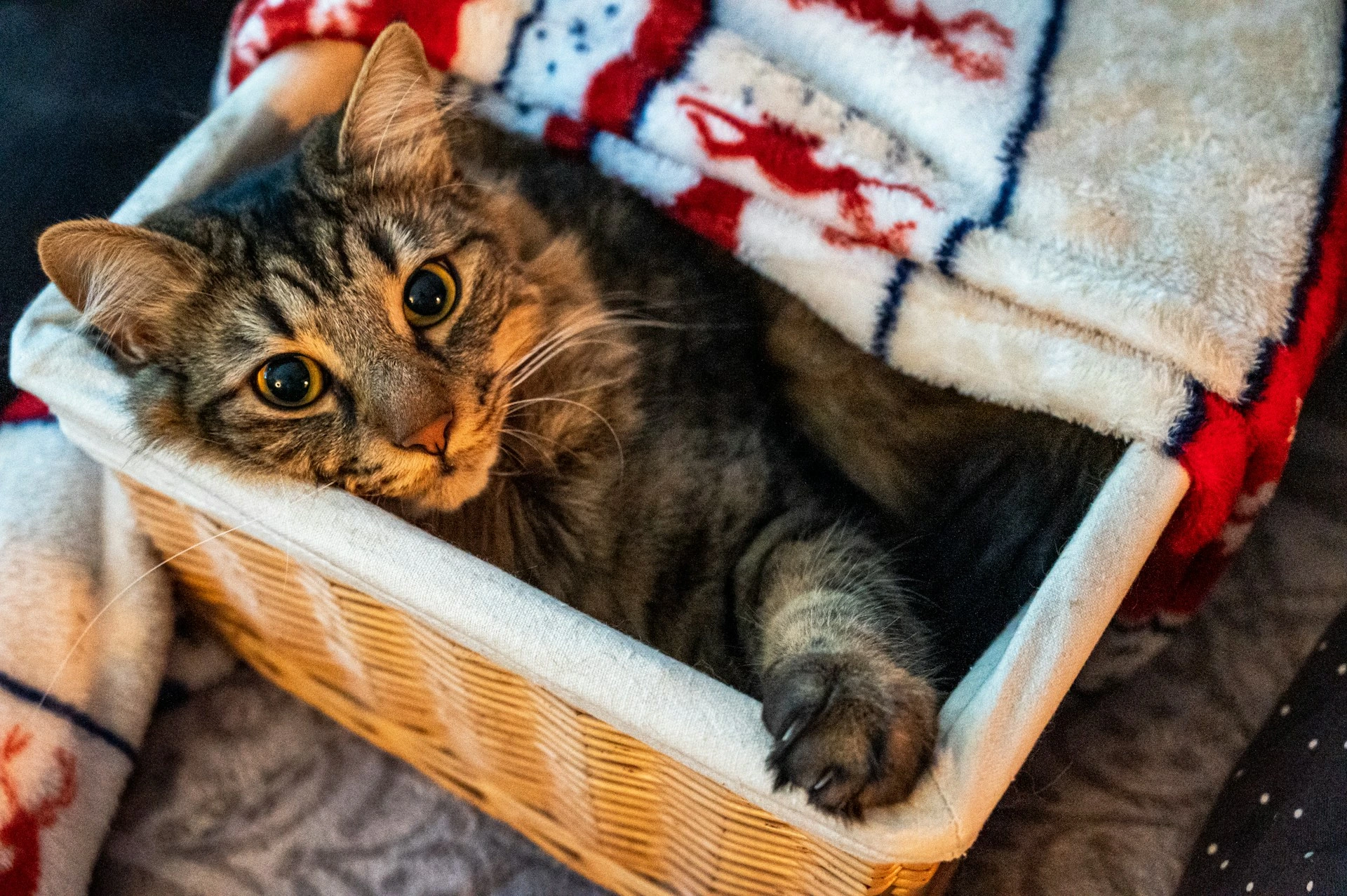
Helping Shelter Pets Thrive in Their New Homes
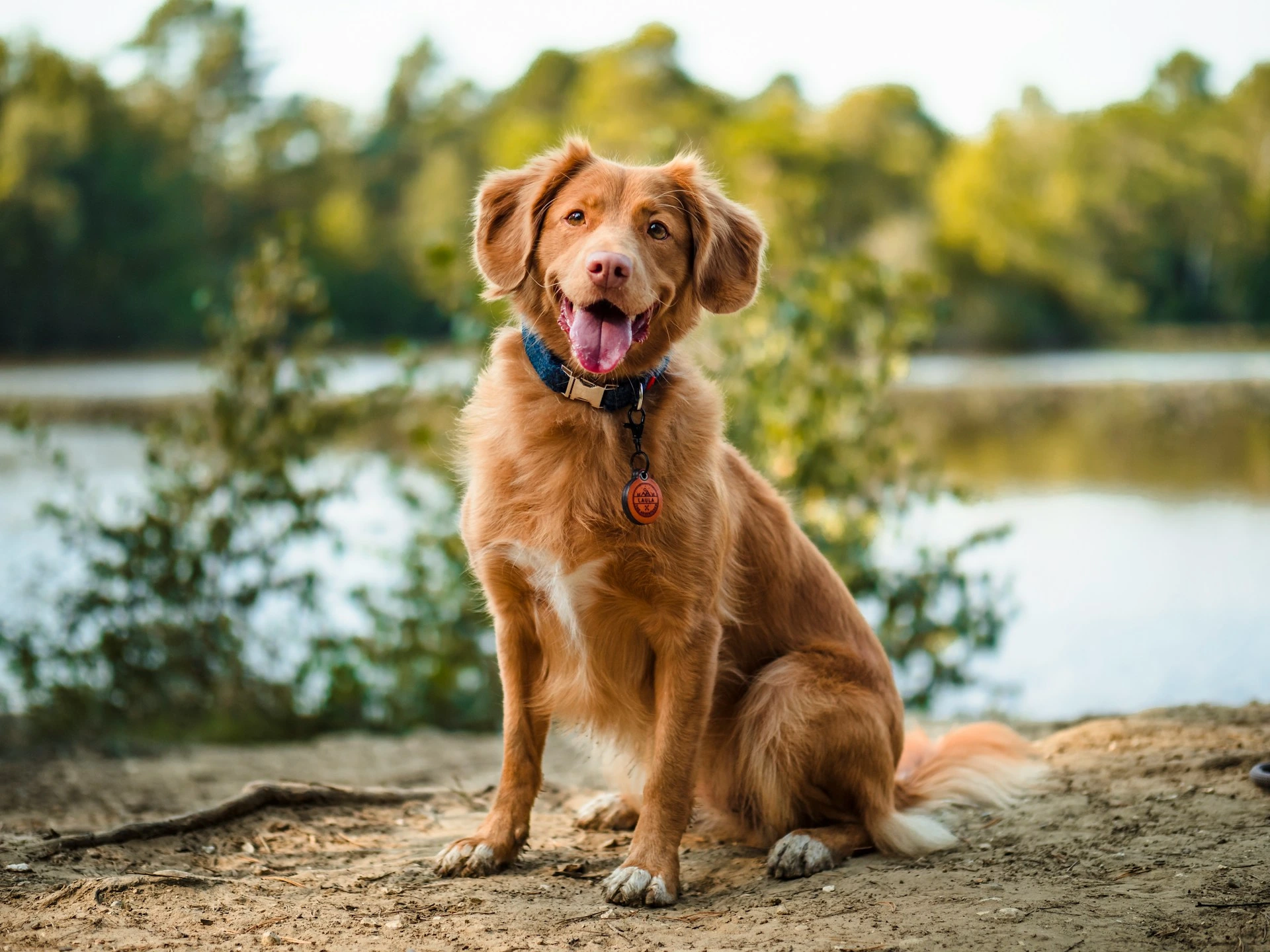
Hunting Season Hazards for Dogs in Northern Wisconsin