Header Logo

Request an Appointment Button

There’s nothing quite as heart-stopping as realizing your furry friend has gone missing. Maybe Fido made a dash for freedom when the gate was left open, or Fluffy slipped out during a thunderstorm. It happens in the blink of an eye! Collars and tags are important, but they can fall off or get lost during your pet’s big adventure. That’s where microchipping comes in. Here at Lakeview Veterinary in Ashland, WI, we recommend microchipping as a simple, effective way to help bring lost pets back home where they belong.
Every year, far too many dogs and cats end up separated from their families. The good news? Thanks to advances in permanent pet identification, it’s easier than ever to get our four-legged friends back where they belong. If you’re thinking about microchipping your dog or cat—or just want to know how the whole thing works—read on! A little knowledge goes a long way toward keeping your best buddy safe.
What Is Pet Microchipping?
Microchipping is a way to give your pet a permanent ID. Think of it as a tiny, high-tech name tag that goes under the skin.
The microchip is teeny-tiny, about the size of a grain of rice. Each one has its own special number, which can be read with a quick scan at the vet or shelter.
Unlike a GPS tracker, a microchip doesn’t tell you where your pet is at all times. Instead, it serves as a permanent ID that helps vets, shelters, and animal control return your lost buddy to you if they’re found.
The best part? The microchip stays with your pet for life, no matter how many collars or addresses you go through together.
Why Pets Become Lost
A lot of folks think their dog or cat would never dream of running off.
But the truth is, even the best-behaved pets can get lost for all sorts of reasons.
Common situations include:
- Open gates
- Broken fences
- Loud storms
- Fireworks
- Vehicle accidents
- Travel-related escapes
- Construction activity
- Unfamiliar environments
- Visitor-related escapes
Even the most well-trained pets can get spooked or confused sometimes.
Your dog might take off after a squirrel and forget to come back, or your cat could make a sneaky dash out the door when you’re distracted.
Since accidents can happen when you least expect them, it’s always best to be prepared.
How a Microchip Works
A pet microchip stores a unique identification number.
When a lost pet is found, veterinary clinics, animal shelters, and animal control officers can scan the microchip. The scanner reads the identification number, which is linked to owner information stored in a registration database.
The process generally involves:
- A lost pet is found.
- The pet is scanned for a microchip.
- The identification number is retrieved.
- The registration database is accessed.
- The owner is contacted.
This quick and easy process has helped bring lots of lost pets back home to their families.
Here’s a helpful tidbit: most shelters and vet clinics automatically scan for a microchip whenever a lost pet comes through the door.
Why Collars and Tags Are Not Always Enough
Collars and tags are still important, but they aren’t perfect.
Collars may:
- Break
- Slip off
- Become damaged
- Be removed
- Become unreadable
A microchip acts as a backup plan that sticks with your pet, no matter what happens to their collar or tag.
When you combine a collar, tag, and microchip, you’re giving your pet the best chance of making it home if they ever get lost.
Think of microchips as a sidekick for your pet’s tags, not a replacement.
Microchip for Dogs
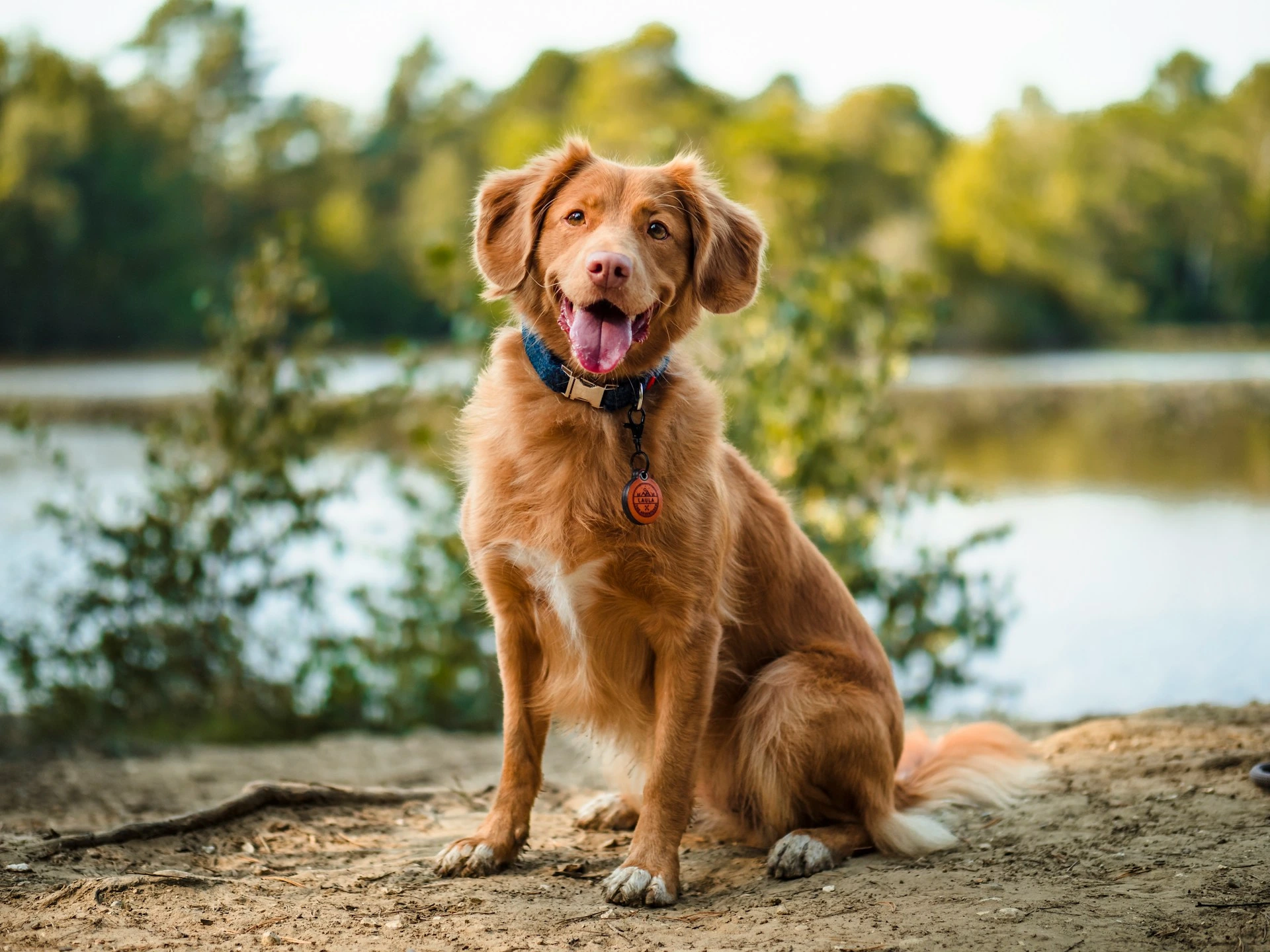
Dogs love a good adventure, which makes reliable identification extra important.
A microchip for dogs can be valuable for:
- Active dogs
- Hiking companions
- Hunting dogs
- Traveling pets
- Escape-prone dogs
- Newly adopted pets
Even the best-behaved pup can get scared if something unexpected happens.
Thunderstorms, fireworks, or new places can sometimes send even the calmest dog into a panic.
A microchip gives you peace of mind, just in case your dog decides to go on an unplanned solo adventure.
Microchip for Cats
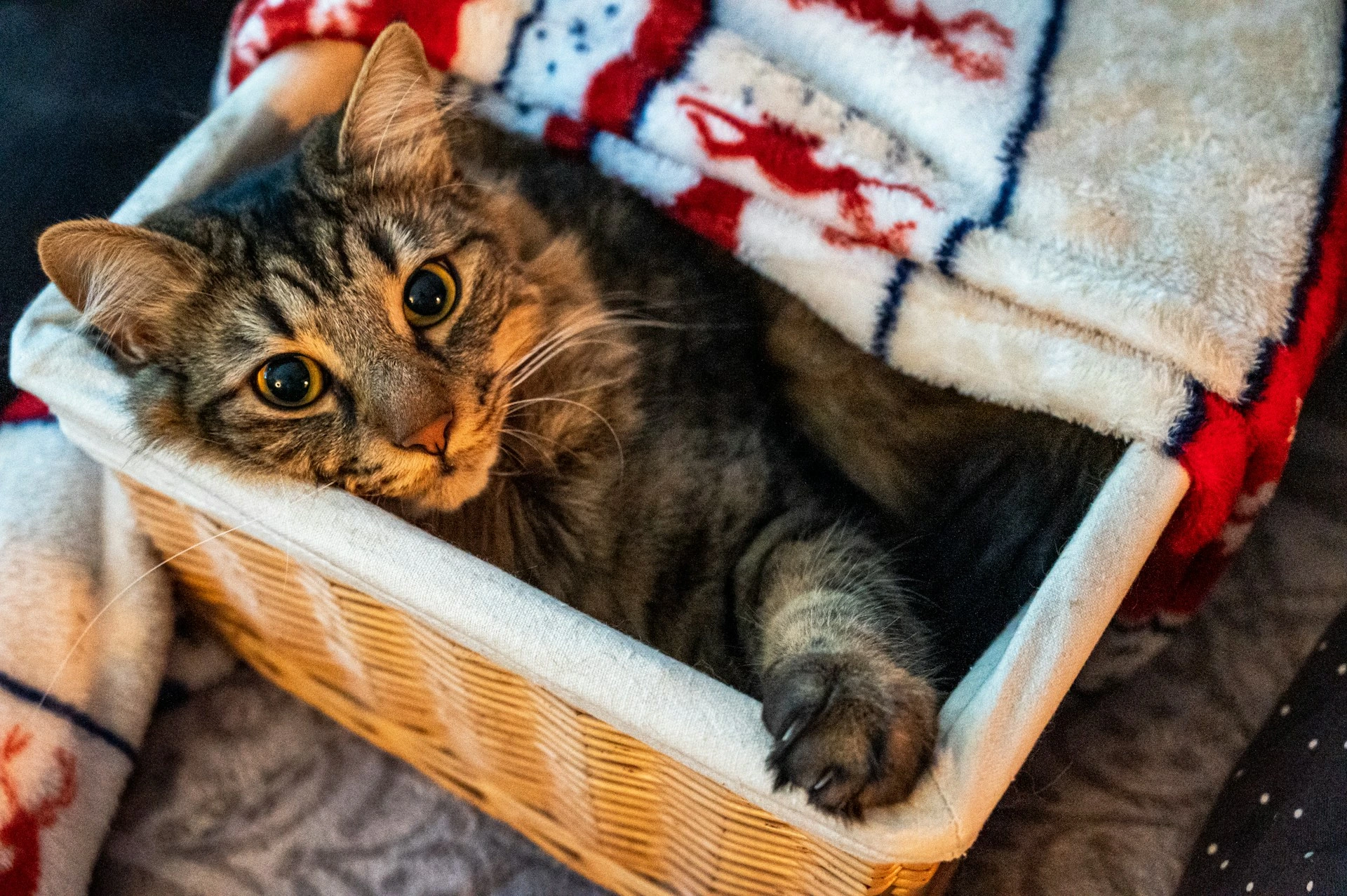
Cats are world-class escape artists. Just ask anyone who’s tried to keep one inside during a delivery!
Leave a door open for two seconds, and your adventurous kitty might be halfway down the block before you know it.
A microchip for cats is particularly valuable because:
- Cats often travel farther than owners expect.
- Many cats do not wear collars consistently.
- Breakaway collars are designed to release for safety.
- Cats frequently hide when frightened.
Even indoor cats aren’t off the hook. Accidents can happen to anyone.
Veterinary clinics frequently see lost indoor cats that escaped during moves, home repairs, deliveries, or unexpected household events.
Permanent identification helps increase the likelihood of a successful reunion.
What to Expect During the Microchipping Process
Most pet parents are surprised by just how quick and easy microchipping really is.
Pet microchipping is typically performed during a routine veterinary visit.
The microchip is placed beneath the skin using a sterile applicator. The process is quick and generally similar to receiving a vaccination.
Most pets barely notice the procedure, especially if there are treats involved afterward!
After implantation:
- The microchip number is recorded.
- Registration information is submitted.
- The microchip is scanned to confirm proper function.
The whole thing usually takes just a few minutes, and then your pet is good to go.
Permanent Pet Identification Lasts a Lifetime
One of the greatest advantages of microchipping is durability.
Unlike tags that can wear out or collars that get replaced, a microchip is built to stick with your pet for life.
Once implanted, the microchip is in, you don’t have to worry about batteries, charging, or any maintenance. Easy peasy! Registration information remains essential.
If you move or get a new phone number, don’t forget to update your info so your pet’s microchip can do its job.
A microchip is only as good as the info attached to it, so accuracy is key!
Lost Pet Recovery Success Stories Begin With Preparation
Lost pet recovery often depends on preparation before a pet goes missing.
If a pet is found without any ID, figuring out where they belong can be a real challenge.
A microchip makes it much easier to match a lost pet with their family.
While no identification system can prevent a pet from becoming lost, microchipping increases the chances of a successful reunion.
This is especially important in places where outdoor fun, travel, and lots of visitors increase the chances of pets getting separated from their people.
Microchipping and Travel Safety
Travel can add a few extra risks for our furry companions.
Whether you’re visiting family, exploring northern Wisconsin, or moving to a new place, new environments can make pets a little more likely to get lost.
Pet microchipping provides added protection during:
- Vacations
- Camping trips
- Moves
- Boarding stays
- Temporary housing situations
Travel can be stressful for some pets, so having a reliable ID is even more important.
A microchip gives you and your furry sidekick an extra safety net, no matter where your adventures take you.
Microchipping Newly Adopted Pets
Microchipping is especially important for pets who are new to your family.
Newly adopted dogs and cats are still figuring out their new digs, and they might try to make a break for it if they get scared or confused.
It takes time for a new pet to realize your home is their safe place.
Getting your new buddy microchipped right away helps keep them safe while they settle in.
It’s one of the best first steps you can take as a new pet parent.
Common Myths About Pet Microchipping
There are a few myths out there that keep some folks from microchipping their pets.
My Pet Never Goes Outside
Even indoor pets can pull a Houdini act when you least expect it.
Open doors, windows, visitors, or emergencies can all give your pet a chance to make a run for it.
The Microchip Tracks My Pet’s Location
A microchip isn’t a GPS. It won’t show you your pet’s location on your phone.
It just stores your contact info so your pet can be identified if they’re found.
My Pet Already Wears a Collar
Collars are great, but they can get lost or taken off.
Microchips add an extra layer of permanent ID for your pet.
Knowing the difference helps you make the best choices for your furry family member.
The Role of Veterinary Care in Pet Safety
Preventive care isn’t just about vaccines and checkups.
Making sure your pet has proper ID is a big part of keeping them safe for life.
Routine veterinary visits provide opportunities to:
- Verify microchip function
- Confirm registration information
- Discuss travel safety
- Address identification concerns
- Support overall wellness
When you combine good healthcare with permanent ID, you’re giving your pet the best shot at a safe, happy life.
If you aren’t sure how to access or update this information, try using the Petlink site to look up your pet’s microchip info. You can also try the Pet Registration and Recovery website here. The American Veterinary Medical Association has a blog on microchipping.
Frequently Asked Questions About Pet Microchipping
What is pet microchipping?
Pet microchipping involves placing a small identification chip beneath the skin. The chip contains a unique number that can help identify a lost pet and reconnect them with their owner.
Does a microchip track my pet’s location?
No. A microchip is not a GPS device. It provides identification information that can be scanned if your pet is found.
Can indoor cats benefit from a microchip?
Yes. Indoor cats can still escape unexpectedly. A microchip for cats provides permanent identification if they become lost.
How long does a microchip last?
Microchips are designed to provide permanent pet identification and typically remain functional throughout a pet’s life.
Is a collar still necessary if my pet has a microchip?
Yes. Collars and identification tags remain valuable because they provide immediate contact information. Microchips serve as an important backup if external identification is lost.
Schedule Microchipping at Our Ashland, WI Veterinary Clinic
Pet microchipping is one of the simplest ways to improve lost-pet recovery and provide permanent identification for your companion. Whether you are considering a microchip for dogs, a microchip for cats, or updating your pet’s safety plan, proactive identification can make a meaningful difference if your pet ever becomes separated from your family.
Are you searching for a trusted vet near me in Ashland, WI? Contact Lakeview Veterinary today to schedule a wellness visit or microchipping appointment. Our veterinary clinic is committed to helping dogs and cats stay safe through preventive care, personalized guidance, and reliable identification solutions that support lifelong protection.
This blog is intended for informational purposes only. Always consult your veterinarian for advice regarding your pet’s health, identification needs, preventive care, and treatment recommendations, and follow their professional guidance for your companion’s individual situation.
Would you like to learn more about our Ashland, WI, animal hospital? Start by dropping by our Services page, where you’ll find more information on our top-notch pet clinic. We offer a wide range of veterinary care services, such as Wellness and Vaccinations, Nutrition and Weight Management, Diagnostics, Dentistry, Laser Therapy, Critical Care, and more.
Helping Shelter Pets Thrive in Their New Homes
Hunting Season Hazards for Dogs in Northern Wisconsin