Header Logo

Request an Appointment Button

Fall is a favorite time of year for many pups and their people here in northern Wisconsin. The air is crisp, the forests are bursting with color, and it’s the perfect excuse to get outside with your four-legged friend. Whether your dog is your trusty sidekick on hunting trips, your hiking buddy, or just loves sniffing around the woods, autumn does bring a few extra things to watch out for. With hunting season in full swing, keeping your dog safe is more important than ever. Here at Lakeview Veterinary, we’re all about helping you and your furry family members enjoy the season safely, so let’s talk about how to keep those tails wagging all fall long.
Hunting season is a great time for outdoor fun, but it also brings hazards we don’t see as often during the rest of the year. Knowing what to watch for, brushing up on outdoor safety, and following a few simple tips can help keep your pup safe and happy while you both enjoy everything fall has to offer.
Why Hunting Season Creates Unique Risks
Northern Wisconsin is a paradise for outdoor lovers, both two-legged and four-legged! We’ve got forests, trails, wildlife, and plenty of room to roam.
But once hunting season rolls around, things get a little busier out there. More people, more vehicles, more excitement, and a few extra challenges for our canine companions.
Even dogs that do not participate in hunting activities may encounter risks while:
- Walking on trails
- Exploring wooded areas
- Camping
- Visiting parks
- Spending time on rural properties
A little awareness and planning can go a long way toward keeping your adventures safe and fun for everyone, especially your dog.
Visibility Is One of the Biggest Safety Concerns
One of the most important things to consider during hunting season is making sure your dog is visible.
Dogs can blend right into the fall scenery, especially in the woods, where all those leaves and shadows make for perfect canine camouflage.
Bright, colorful gear can help your pup stand out and stay safe.
Many owners choose:
- High-visibility collars
- Reflective gear
- Bright safety vests
- Reflective leashes
The more visible your dog is, the easier it is for everyone else to spot them, and that means a safer outing for all.
A little extra color can make a big difference for safety during your fall adventures.
Keep Dogs Under Reliable Control
Even the best-behaved pups can get distracted by all the new smells, sights, and critters out there.
That’s why it’s extra important to keep your dog under control during hunting season.
Helpful strategies include:
- Using a leash when appropriate
- Practicing recall commands
- Maintaining close supervision
- Avoiding unfamiliar hunting areas
If your dog decides to chase after a squirrel or deer, they can disappear in a flash.
Keeping your furry friend close helps prevent them from getting lost, hurt, or wandering into places they shouldn’t be.
Understanding Common Hunting Dog Injuries
Dogs participating in hunting activities often face different risks than household pets.
However, many hunting dog injuries can also affect recreational dogs exploring outdoor environments.
Potential injuries include:
- Cuts and lacerations
- Puncture wounds
- Sprains and strains
- Paw injuries
- Eye injuries
- Muscle injuries
Bumpy trails, thick brush, fallen branches, and rocky ground can all spell trouble for curious paws.
Giving your dog a quick once-over after your adventures can help you catch little problems before they turn into big ones.
Protecting Your Dog’s Paws
Your dog’s paws really take a beating when you’re out exploring together.
Rough ground, sharp sticks, sneaky rocks, and hidden debris can all cause little injuries that might not show up right away.
After spending time outdoors, examine your dog’s paws for:
- Cuts
- Cracks
- Splinters
- Swelling
- Irritation
If paw injuries go unnoticed, they can get worse in a hurry.
Checking those paws regularly is one of the best ways to keep your dog safe during hunting season.
After all, healthy paws mean more adventures for your active pup!
Wildlife Encounters Become More Common
Fall means more wildlife on the move.
Deer, squirrels, birds, and all sorts of critters are out and about, which means your dog might have more chances to cross paths with them.
Wildlife interactions can result in:
- Chasing behavior
- Injuries
- Exposure to parasites
- Getting lost
- Stressful situations
Even the friendliest dog can’t always resist the urge to chase after something furry or feathered.
Keeping a close eye on your pup and practicing those recall commands can help keep everyone out of trouble.
Tick Exposure Continues During Fall
A lot of folks think ticks are just a spring and summer problem.
But those pesky little hitchhikers can stick around well into fall.
That’s why it’s still important to keep up with parasite prevention, even as the weather cools down.
After outdoor activities:
- Inspect your dog’s coat thoroughly.
- Check around the ears.
- Examine the neck.
- Look between the toes.
- Feel for small bumps.
Your vet can recommend the best parasite prevention plan to help keep your dog tick-free.
Don’t let cooler weather fool you—prevention is still key. Changing Weather Conditions Affect Dogs
Fall weather in northern Wisconsin likes to keep us on our toes.
One day it’s chilly, the next it’s almost t-shirt weather.
Mornings can be brisk, but afternoons might feel downright pleasant.
Weather-related concerns may include:
- Cold exposure
- Wet conditions
- Muddy terrain
- Reduced visibility
- Early sunsets
A little planning for the weather goes a long way toward keeping your outings safe and fun.
Check the forecast before you head out—your dog (and your toes) will thank you.
Hydration Still Matters During Cooler Weather
Most of us are great about making sure our dogs have water in the summer, but it’s easy to forget when the weather cools off.
But your pup still needs plenty of water during all those fall adventures.
Long hikes, lots of running, and extra time outside can make your dog even thirstier than usual.
Bring fresh water along and take plenty of drink breaks. Your dog will appreciate it (and so will you).
Skip the puddles and streams. Natural water can hide all sorts of germs and parasites that could make your dog sick.
Packing water is one of the easiest ways to keep your dog safe and healthy this fall.
Watch for Signs of Fatigue
Cooler weather means your dog might have more energy to burn and want to stay out longer.
But even the most energetic pup can get tired after a long day of fun.
Signs of overexertion may include:
- Slowing down
- Excessive panting
- Reluctance to continue
- Lying down frequently
- Reduced enthusiasm
Every dog is different. Some are marathoners, some are sprinters, and some just want to sniff every tree.
Things like age, fitness, breed, and health all play a part in how much activity your dog can handle.
Spotting signs of tiredness early helps prevent injuries and keeps your dog feeling their best.
Firearms and Loud Noises Can Trigger Fear
Lots of dogs are sensitive to loud noises.
The sound of gunfire during hunting season can make some pups anxious or even panic.
Reactions may include:
- Running away
- Hiding
- Trembling
- Excessive vocalization
- Destructive behavior
If your dog is nervous around loud noises, it’s a good idea to take some extra precautions during hunting season.
Make sure your dog is safely contained and supervised so they don’t bolt if they get spooked.
If you’re worried about your dog’s reaction to noise, talk to your vet. We’re always here to help.
Preventing Lost Dog Situations
A scared or distracted dog can go missing faster than you’d think.
The risk increases when your dog is in a new place, encounters wildlife, or hears a sudden loud noise.
Helpful preventive measures include:
- Updated identification tags
- Microchipping
- Secure collars
- Leash use when appropriate
- Reliable recall training
A little preparation now can make all the difference if your dog ever gets separated from you.
A good ID is one of the best safety tools you can give your dog.
Recognizing When Veterinary Care Is Needed
Some injuries are easy to spot, but others can be sneaky.
Contact your veterinarian if your dog develops:
- Limping
- Swelling
- Cuts
- Eye irritation
- Reduced appetite
- Lethargy
- Behavioral changes
Getting things checked out early can keep little problems from turning into big ones.
If something seems off after your outing, a quick trip to the vet is always a good idea.
Preventive Care Supports Safe Outdoor Adventures
Regular checkups help make sure your dog is ready for all the adventures you have planned.
Wellness visits provide opportunities to discuss:
- Parasite prevention
- Activity recommendations
- Weight management
- Mobility concerns
- Seasonal health risks
A healthy dog is a happy adventurer, and much more likely to stay safe out there.
Preventive care helps catch little issues before they slow your dog down.
Ducks Unlimited has a good piece on hunting safety for dogs. Kent Feeds also covers dog safety during hunting season.
Frequently Asked Questions About Hunting Season Dog Safety
Why is hunting season dog safety important?
Hunting season introduces additional outdoor risks, including increased wildlife activity, loud noises, rough terrain, and active hunting areas, all of which may affect dogs.
How can I make my dog more visible during hunting season?
Brightly colored collars, reflective gear, and high-visibility vests can help improve visibility in wooded environments.
What are common hunting dog injuries?
Common injuries include cuts, paw injuries, strains, puncture wounds, eye injuries, and other trauma associated with rough outdoor terrain.
Do dogs still need tick prevention during the fall?
Yes. Ticks may remain active during fall, making parasite prevention an important part of Wisconsin dog safety.
How can I keep my dog safe around wildlife?
Maintain supervision, use a leash when appropriate, practice recall training, and avoid allowing dogs to chase wildlife.
Schedule a Wellness Visit at Our Bayfield County, WI Veterinary Clinic
Hunting season dog safety starts with preparation, awareness, and preventive care. Following practical outdoor safety recommendations for dogs, understanding potential hunting-dog injuries, prioritizing Wisconsin dog safety, and using smart fall-pet safety tips can help your canine companion enjoy everything northern Wisconsin has to offer while staying protected.
Are you searching for a trusted vet near me in Bayfield County, WI? Contact Lakeview Veterinary today to schedule a wellness appointment. Our veterinary clinic is committed to helping dogs stay healthy and active through personalized preventive care, parasite protection, and guidance tailored to every stage of life and every outdoor adventure.
This blog is intended for informational purposes only. Always consult your veterinarian for advice, diagnosis, treatment recommendations, and preventive care guidance related to your dog’s health and outdoor activities. Follow their professional recommendations for your pet’s individual needs.
Would you like to learn more about our Ashland, WI, animal hospital? Start by dropping by our Services page, where you’ll find more information on our top-notch pet clinic. We offer a wide range of veterinary care services, such as Wellness and Vaccinations, Nutrition and Weight Management, Diagnostics, Dentistry, Laser Therapy, Critical Care, and more.
Helping Shelter Pets Thrive in Their New Homes
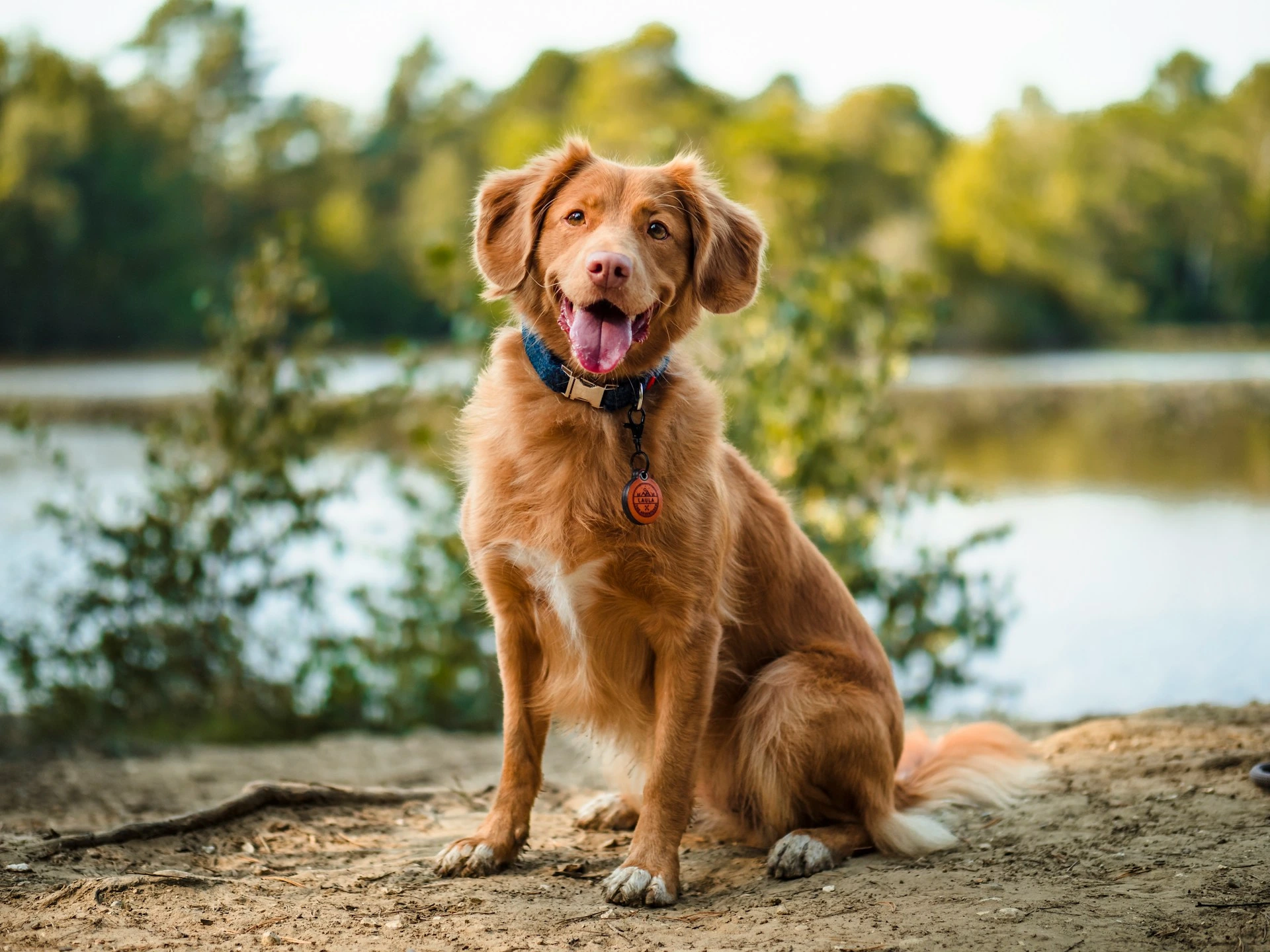
Hunting Season Hazards for Dogs in Northern Wisconsin